
 by
by How to Sell Your Property: The Ultimate Step-by-Step Guide
Selling a home is one of the biggest financial transactions you will ever make, and for many, it can be an emotional and complex journey. From deciphering estate agent fees to navigating the legal intricacies of conveyancing, the process involves numerous decisions that can save—or cost—you thousands of pounds.
As local estate agents in Bournemouth, we understand the unique coastal market here. This guide breaks down the entire process into manageable steps to help you sell with confidence.
Step 1: Figure Out Your Finances
Before you put a "For Sale" sign up, you need a clear picture of your financial standing. This involves understanding both your current mortgage situation and the costs associated with moving.
- Check your mortgage: If you have an outstanding mortgage, obtain a redemption figure to see how much you still owe. You should also ask your lender if your mortgage is "portable" (meaning you can transfer it to a new property) or if you will face Early Repayment Charges (ERCs) for leaving your deal early.
- Budget for selling costs: Selling is not free. You will need to budget for estate agent fees (typically 1%–3% + VAT), conveyancing fees (£600–£1,800), Energy Performance Certificates (EPCs), and removal costs.
Step 2: Get a Property Valuation
To set a realistic asking price, you need to know what your home is worth in the current market.
- Online estimates: Start with an instant online valuation to get a rough ballpark figure based on market data and sales history.
- Expert appraisals: Invite at least three local estate agents to value your home. They will provide a more accurate figure by assessing your property’s condition, improvements, and specific features.
- Set your price: Remember that buyers often try to negotiate. It is common strategy to add 5% to 10% to the price you are prepared to accept to allow for this wiggle room.
Step 3: Choose the Right Estate Agent
You can sell your home yourself, use an online agent, or instruct a traditional high-street agent.
- High-street agents: Estate agents like MRKT offer local knowledge and a personal service, often conducting viewings for you. When interviewing agents, ask about their success rates, how they market properties, and their contract tie-in periods.
- Online agents: These are generally cheaper but may offer a less "hands-on" service. Always check what is included in their fee.
- Sole agency vs. multi-agency: You will usually agree to a fee (commission) for a sole agency agreement. Aim for a fee of around 1% plus VAT.
Step 4: Prepare Your Home for Sale
First impressions count. To attract buyers and potentially increase your sale price, you must present your property in its best light.
- Get an EPC: You legally must have commissioned an Energy Performance Certificate (EPC) before marketing your property.
- Declutter and clean: Tidy up, remove excess clutter, and consider a fresh coat of light-coloured paint to make rooms feel spacious.
- Boost kerb appeal: The exterior is the first thing buyers see. Ensure windows are clean, the roof is in good condition, and the garden or driveway is tidy.
- Fix minor issues: Repair dripping taps, broken lightbulbs, or scuffed paintwork, as these small "snags" can put buyers off.
Step 5: Instruct a Conveyancing Solicitor
Do not wait until you have an offer to find a solicitor. Instructing a conveyancer early allows them to open your file, complete ID checks, and gather essential documents like title deeds.
- Get your paperwork ready: You will need to fill out property information forms (TA6) and fixtures and fittings forms (TA10)
- Leasehold specific: If you are selling a leasehold property, you will need a "leasehold information pack" from your freeholder or managing agent, which details service charges and ground rent.
Step 6: Marketing and Viewings
Once your home is ready, your agent will launch the listing with photographs and floorplans.
- Hosting viewings: You can host viewings yourself or have your agent do it. Agents are often better at highlighting features and answering tricky questions objectively.
- Timing: Spring (February to June) is traditionally the busiest time for the property market, followed by Autumn.

Step 7: Receive and Accept an Offer
Your estate agent is legally required to pass on all offers to you.
- Evaluate the buyer: Don't just look at the price. Consider the buyer's position—are they a cash buyer, a first-time buyer chain-free, or are they stuck in a complex chain?.
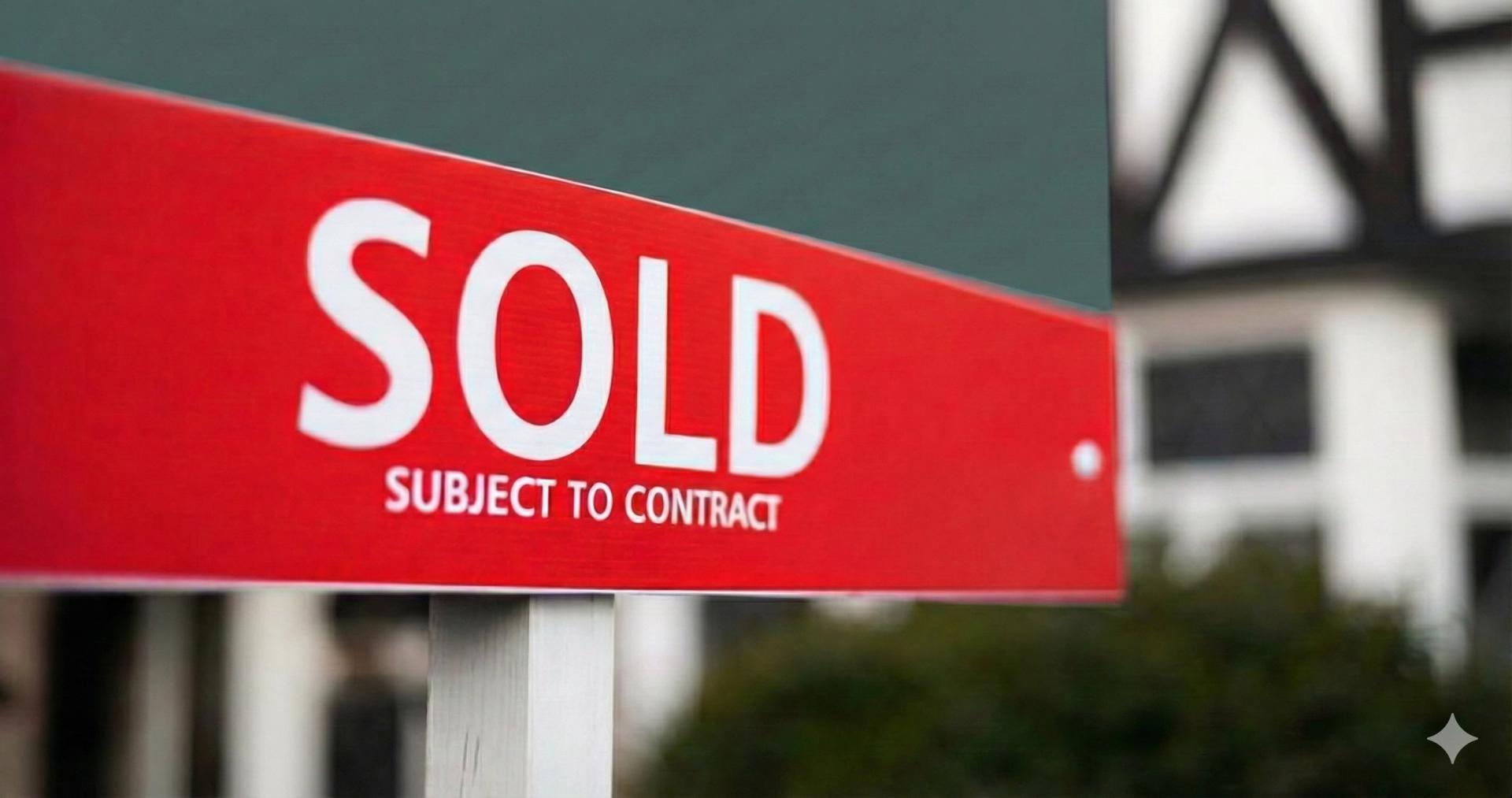
- Negotiate: You can reject an offer, accept it, or negotiate upwards. Once you are happy, you formally accept the offer "subject to contract".
- Gazumping: Remember, accepting an offer is not legally binding in England and Wales until contracts are exchanged. You can technically accept a higher offer later, though this is distressing for the original buyer.
Step 8: The Legal Process (Conveyancing)
Once a sale is agreed, the legal heavy lifting begins.
Draft contracts: Your solicitor sends a draft contract to the buyer's solicitor.
Enquiries and searches: The buyer's solicitor will raise enquiries about the property (e.g., boundaries, disputes, planning permissions) and conduct local authority searches.
Survey: The buyer will likely commission a survey (HomeBuyer Report or Building Survey) to check the building's condition. If significant issues are found, the buyer may try to renegotiate the price.
Step 9: Exchange Contracts
This is the major milestone. When you exchange contracts, the sale becomes legally binding.
- Commitment: If you pull out after this point, you may face legal action and costs. If the buyer pulls out, they lose their deposit.
- Set the date: At exchange, you and the buyer will agree on a completion date, which is typically 7 to 28 days later.
- Insurance: You are responsible for insuring the property until the sale completes.
Step 10: Completion and Moving Out
Completion is the final step when ownership transfers to the buyer.
- Moving out: You must vacate the property (usually by midday) and leave it in the agreed condition.
- Money transfer: The buyer's solicitor transfers the funds to your solicitor. Your solicitor will then pay off your old mortgage, pay the estate agent, and send the remaining balance to you.
- Key handover: Once the money has landed, your solicitor authorises the estate agent to release the keys to the new owner.
Frequently Asked Questions (FAQs)
How long does it take to sell a house?
On average, the entire process takes around 25 weeks from the moment the property is listed until completion. However, this timeline depends on various factors and can range between 17 and 34 weeks in total. In London specifically, the average time to sell is between 16 and 20 weeks.
What are the costs of selling a home?
The biggest cost is usually estate agent fees, which typically range between 1% and 3% of the sale price. You will also need to budget for conveyancing fees (approximately £800–£1,800), removal costs (£420–£1,800), and an Energy Performance Certificate (EPC) (£60–£120).
When is the best time to sell a property?
Springtime (February to June) is generally considered the best time to market a home, as buyers begin looking for new properties. The next best window is autumn (September to October), as buyers aim to settle in before Christmas. The quietest periods are usually during the summer holidays and just before Christmas.
Do I need an Energy Performance Certificate (EPC) to sell?
Yes, it is a legal requirement to have a valid EPC before you put your home on the market. This certificate ranks your property’s energy efficiency and must be provided to potential buyers.
What happens when you exchange contracts?
When you exchange contracts, the sale becomes legally binding. Both the buyer and seller are committed to the transaction; if you pull out without a valid reason, you may face financial penalties or legal action. At this stage, the completion date is also fixed.
What is the difference between exchange and completion?
Exchange is the point where the contract becomes legally binding and the buyer pays their deposit. Completion is the final step, usually happening 7 to 28 days later, when the remaining funds are transferred, ownership is officially handed over, and you release the keys.
Should I sell my house before I find a new one?
Selling your home and moving into a rental can reduce time pressure and break the property chain, making you a more attractive buyer for your next home. It prevents you from having to accept a lower offer just to move quickly or feeling pressured to buy a less-than-perfect home.
Are you thinking of selling? Contact MRKT Property Experts today for a free property valuation and expert advice on getting you moved.

 by
by 
 by
by 

Share this with
Email
Facebook
Messenger
Twitter
Pinterest
LinkedIn
Copy this link